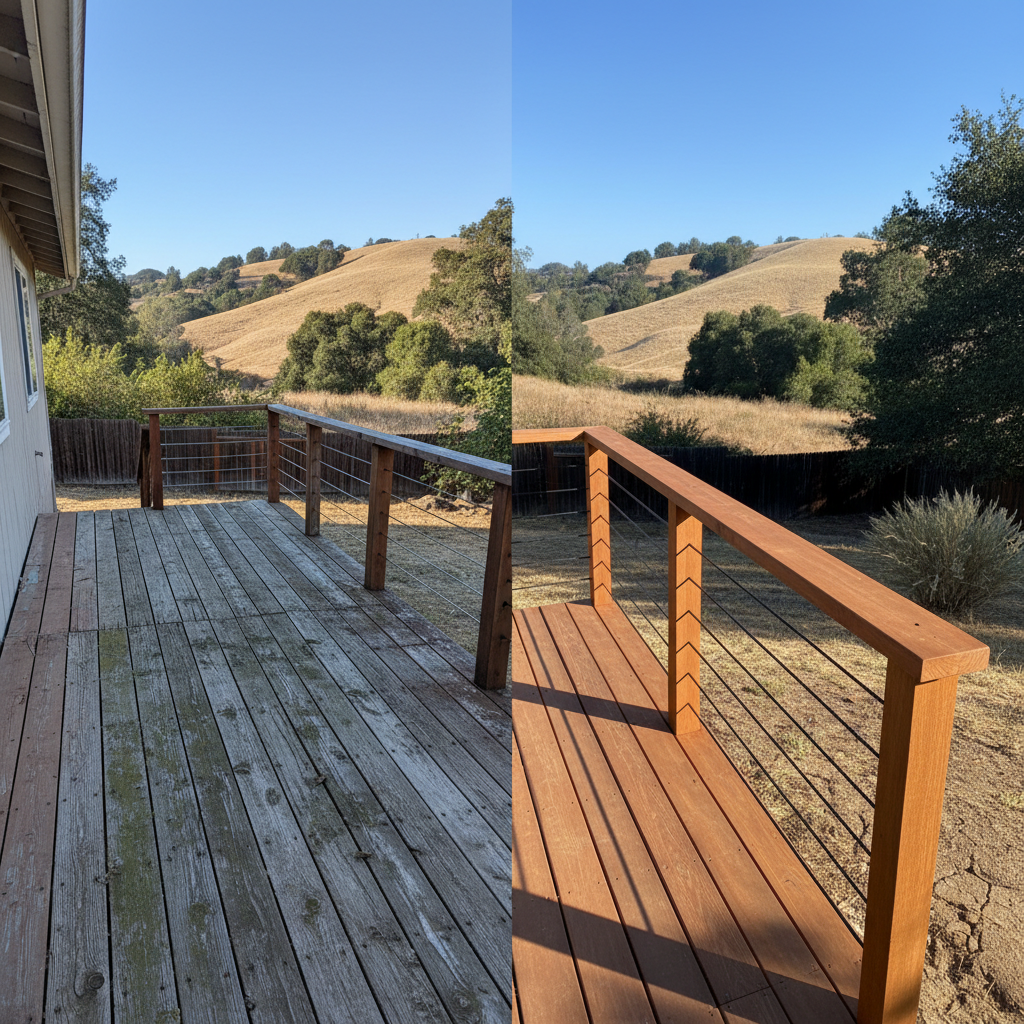
So, you're putting in a new deck or maybe just swapping out some old railings. You've got a choice to make: do you go with railings built piece by piece right there on your deck, or do you pick a system that arrives mostly pre-made? It's a question we hear all the time, and honestly, there's no single "best" answer for everyone. But I can tell you what I've seen work well for folks here in Chico, and what you really ought to think about.
The Classic Approach: Site-Built Railings
This is probably what pops into most people's heads when they imagine wood railings. We're talking about posts, rails, and balusters (those vertical pickets) – all cut to size and put together on your deck. It's a very hands-on job, and it gives you a ton of wiggle room.
Good Things About Site-Built Railings:
- Customization: If you have a unique design in mind, or your deck has some tricky angles, building on-site is likely your best bet. We can match your home's existing style or create something truly one-of-a-kind. Want thicker posts, specific spacing, or a custom top rail? No problem.
- Cost (sometimes): For basic pressure-treated wood railings, the material cost can actually be a bit lower upfront compared to some of the fancier prefab systems. You're mostly paying for the wood and the labor to put it together.
- Repairs: If just one picket gets messed up, it's usually pretty simple to replace only that single piece.
Not-So-Good Things About Site-Built Railings:
- Lots of Work: All that cutting, measuring, and fastening takes time. This can push up the labor cost, which might eat into any savings you got on materials.
- Consistency: We always aim for perfection, but when everything's built by hand, you might see tiny variations. Some people love that handcrafted feel; others really want everything to look exactly the same.
- Durability/Maintenance: More joints, more fasteners – that means more spots for water to sneak in. Unless it's sealed really well and kept up, you might run into more issues with rot or loosening over time. That's especially true with our wet Chico winters followed by that intense summer sun.
The Newer Way: Prefabricated Railing Systems
These systems come as kits or in sections that are already put together. Think composite, aluminum, vinyl, or even some steel options. The posts, rails, and infill (like balusters, glass panels, or cable) are all designed to click together smoothly.
Good Things About Prefab Railings:
- Consistency & Look: These systems are made in a factory, so you get super consistent quality and a very clean, uniform appearance. If you like crisp lines and a modern vibe, this often wins out.
- Durability & Easy Care: This is where prefab really shines, especially with materials like aluminum or composite. They're built to stand up to rot, bugs, fading, and warping. You're looking at very little upkeep – maybe just a wash now and then – which is a huge plus for busy homeowners. No more scraping and painting every few years, thank goodness!
- Quicker Install: Since many parts are pre-cut or pre-assembled, installation can be faster. This can save on labor costs in some situations.
- Lots of Material Choices: Beyond wood, you can pick from composite, aluminum, vinyl, glass, or cable railings. Each one offers a different look and its own set of benefits.
Not-So-Good Things About Prefab Railings:
- Higher Upfront Cost: Generally, the material cost for a good quality prefab system, especially aluminum or composite, will be more than basic wood. You're paying for the engineering and those low-maintenance perks.
- Less Customization: While there are many styles available, you're usually working within the manufacturer's designs. You can't just decide to make your balusters a different width on a whim, you know?
- Repairs: If a specific part of a prefab system gets damaged, you might have to order a special replacement part. That could take some time or cost more than just swapping out a wood picket.
What I Tell Chico Homeowners
For most folks in Chico, especially considering our climate, I tend to suggest prefabricated railing systems, particularly aluminum or high-quality composite.
Why? Our weather patterns. We get that intense summer heat that bakes everything, then those wet, chilly winters. Wood, even pressure-treated, really takes a beating. It expands, contracts, cracks, and eventually needs serious maintenance to keep looking good and staying structurally sound. I've seen countless wood railings on older homes in the Barber neighborhood, for instance, that are splitting, rotting at the base, or have loose pickets because they just haven't been able to stand up to the elements without constant attention.
With a good aluminum or composite system, you get incredible durability and almost no maintenance. You'll spend more upfront, yes, but you'll save a ton of time and money over the lifespan of your deck by not having to sand, stain, paint, or replace rotten sections. That's true value, right there.
Now, that's not to say site-built wood railings are bad. If you're really set on the look, a specific design, and you're ready for the ongoing maintenance, they can be beautiful. We build plenty of them, and we build 'em right here at Chico Deck & Porch.
But if you want a deck railing you can install and pretty much forget about – one that will look great for years without fuss – then you'll be happier with a quality prefab system. It's an investment that pays off in more time enjoying your outdoor space, not working on it.