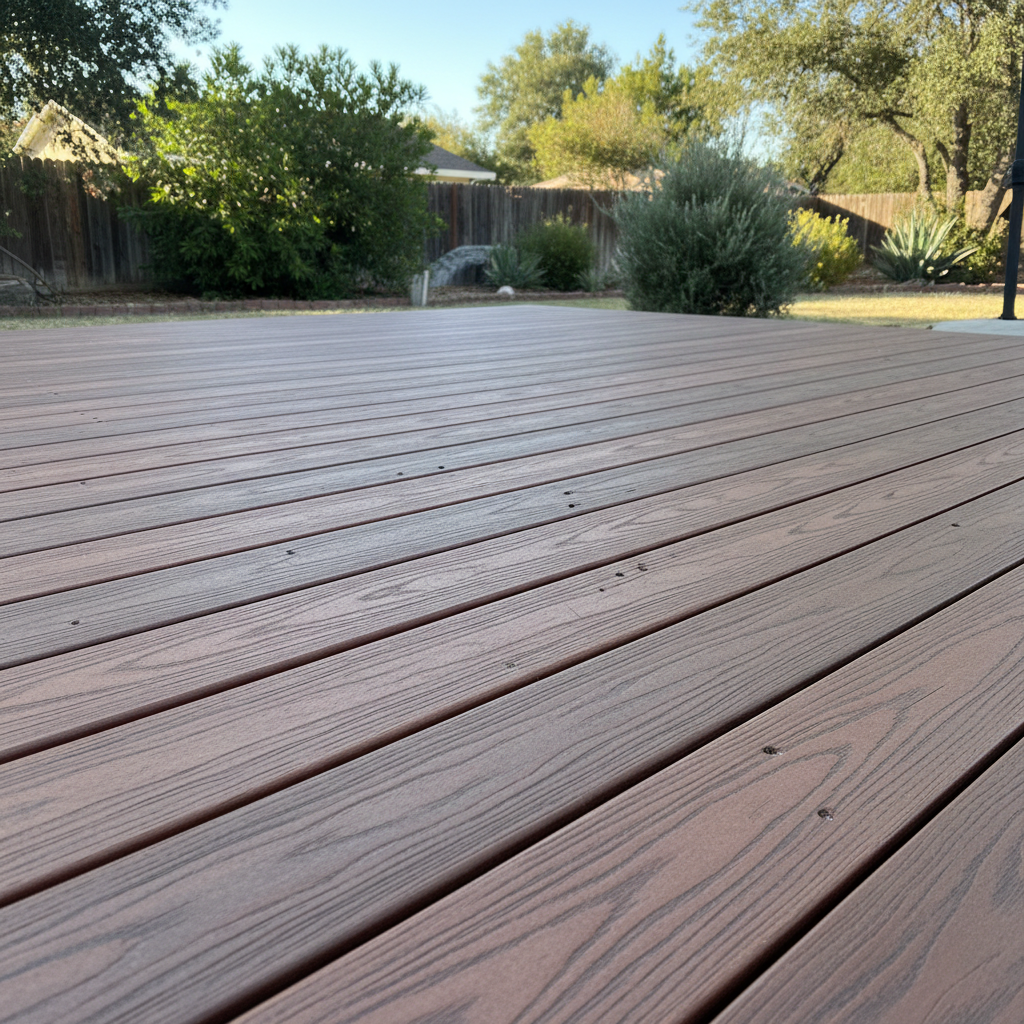
So, you're eyeing a Trex deck, huh? Good choice. I've built my share of decks around Chico, from the classic wood to the newer composites, and Trex is definitely a solid contender, especially with our hot summers and occasional wet winters. It's not just about looking good; it's about making your outdoor space work for you without all the hassle.
Before You Start: Planning Your Trex Deck
First off, let's talk about why Trex is popular. It's low maintenance, period. You won't be sanding, staining, or sealing every couple of years like you would with a traditional wood deck. That's a huge win for homeowners who want to actually enjoy their deck instead of constantly working on it. But 'low maintenance' doesn't mean 'no maintenance,' and it certainly doesn't mean 'no planning.'
Before you even think about buying a single board, you need a plan. What's the size? What shape? Where will it connect to your house? Will you need stairs, railings, maybe a built-in bench? Think about how you'll use the space. Is it for grilling and entertaining, or more for quiet morning coffee? These decisions guide everything else.
You'll also need to check local building codes. Here in Chico, depending on the size and height of your deck, you'll likely need a permit. Don't skip this. Building without a permit can lead to big headaches down the road, from fines to having to tear it all down. A good contractor, like us at Chico Deck & Porch, will handle this for you, but if you're going DIY, it's on your shoulders.
Another thing to consider is the substructure. Trex is great, but it needs a solid foundation. You're still building with wood posts and joists underneath. Make sure those are properly spaced and treated for ground contact if necessary. Our clay soil around here can be tricky with drainage, so proper footings are crucial to prevent settling and shifting over time.
During the Build: DIY vs. Pro
Okay, so you've got your plan, your permit, and your materials. Now what? This is where you really need to be honest with yourself about your skills.
What you can realistically DIY:
- Demolition: If you're replacing an old deck, tearing it down is usually pretty straightforward. Just be careful and make sure you've got the right tools and a plan for debris removal.
- Simple Railings: If you opt for basic Trex railing kits, they're designed to be fairly user-friendly for a DIYer.
- Deck Board Installation (with caveats): Laying the deck boards themselves isn't rocket science, especially with hidden fastener systems. But you need to be precise with spacing and cuts, and understand how to handle expansion and contraction. Trex boards expand and contract with temperature changes, so you can't just butt them up tight.
When to call a pro:
- Footings and Framing: This is the backbone of your deck. If your footings aren't deep enough or properly poured, or your joists aren't level and spaced correctly, your deck won't last, and it could even be unsafe. This is where most DIY deck projects go wrong.
- Complex Designs: Multi-level decks, intricate curves, or built-in features like benches or planters are best left to experienced builders.
- Stairs: Building safe, code-compliant stairs is harder than it looks. The rise and run need to be consistent, and the stringers cut perfectly.
- Time Constraints: If you don't have weeks or months to dedicate, a pro can get it done efficiently and correctly.
Honestly, for most homeowners, I'd recommend having a pro handle the framing and footings, at minimum. Then, if you're handy and want to save some money, you could potentially take on the deck board installation and simpler railings. But don't underestimate the precision and experience needed for a truly solid, safe deck.
After It's Built: Enjoying Your Trex Deck
Once your Trex deck is finished, the best part begins: enjoying it. As I said, it's low maintenance, but not no maintenance. You'll still want to clean it periodically. A simple sweep to remove leaves and debris is a good start. For deeper cleaning, a soft-bristle brush, soap, and water usually do the trick. You can even use a pressure washer on a low setting, but be careful not to damage the surface. Always test a small, inconspicuous area first.
Keep an eye out for any spills, especially grease from the grill. Clean those up quickly to prevent staining. And if you notice any loose fasteners or wobbly railings, address them right away. A well-built Trex deck should give you years of enjoyment with minimal fuss. That's the whole point, right? To spend more time relaxing on your deck and less time working on it.
That's my two cents on Trex decks. They're a great investment for our Chico climate, and with the right approach, you'll have a fantastic outdoor space for years to come. If you're thinking about it, don't hesitate to give us a call at Chico Deck & Porch; we're always happy to talk through your project ideas.